











Confirm a Dry Location
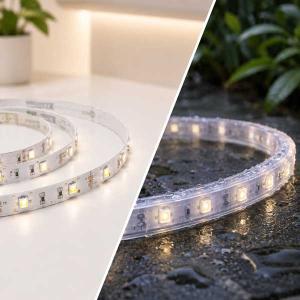
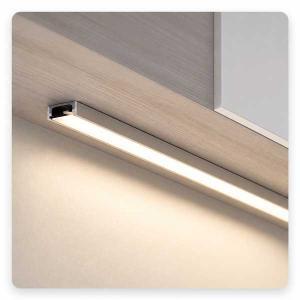
Use IP20 where the strip will remain protected from water, condensation and weather. Cabinets, coves, displays, shelving and interior architectural details are common applications when site conditions remain dry.



 ,
Operating Voltage ,
IP Rating ,
Color Temperature (CCT) ,
Color (nm) ,
Light Output (lm/ft) ,
LED Density (LEDs/M) ,
CRI ,
CRI R9 ,
Power Consumption (W/ft) ,
Maximum Run Length (ft) ,
Cutting Interval (Inches) ,
Strip Width ,
Narrow your choices
,
Operating Voltage ,
IP Rating ,
Color Temperature (CCT) ,
Color (nm) ,
Light Output (lm/ft) ,
LED Density (LEDs/M) ,
CRI ,
CRI R9 ,
Power Consumption (W/ft) ,
Maximum Run Length (ft) ,
Cutting Interval (Inches) ,
Strip Width ,
Narrow your choices
Compare fixed and tunable white, RGB, RGBW, COB and bendable IP20 strips by output, CCT, CRI, voltage, density, power, width, cut interval and control requirements.
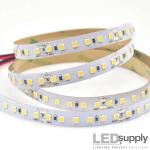
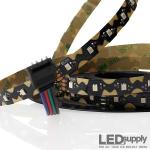
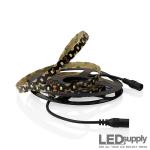
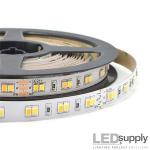
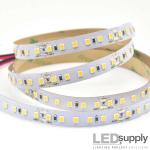
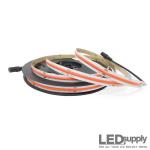
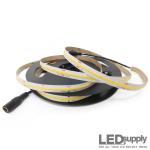
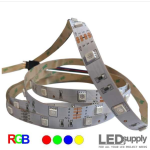
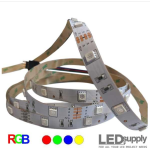
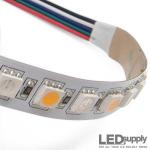
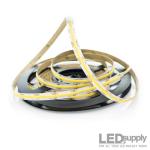
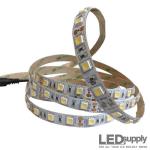
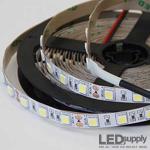
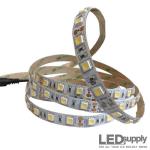
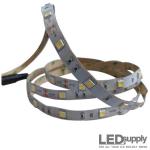
IP20 identifies an unsealed strip intended for protected, dry indoor locations. Once the environment is confirmed, select the light type and engineer output, color quality, voltage, control, dimensions and power as one system.
Use IP20 where the strip will remain protected from water, condensation and weather. Cabinets, coves, displays, shelving and interior architectural details are common applications when site conditions remain dry.
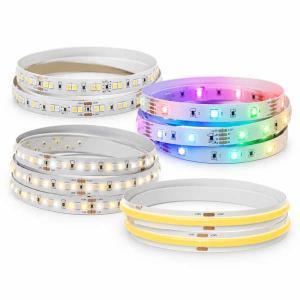
Choose fixed white for defined illumination, tunable white for adjustable CCT, single color for one dedicated hue, RGB for color effects, or RGBW when both color and a dedicated white channel are required.
Compare lumens per foot and efficacy, then specify Kelvin value and color rendering. Use CRI, R9 and TM-30 only where published; higher numbers should be evaluated with the actual application and test data.
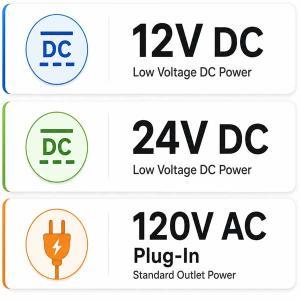
Match the strip, supply, dimmer or controller voltage exactly. Choose 12V where its product selection or cut interval fits the layout; 24V is often preferred for larger professional systems and longer feed wiring.
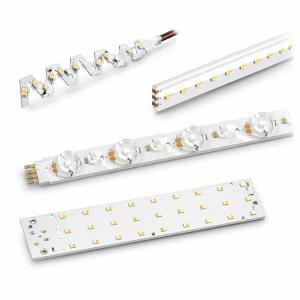
Standard-density SMD provides economical accent light, higher densities improve output and spacing, and COB creates a continuous dot-free emitting surface. Channel depth and diffuser transmission also affect the finished line of light.
Confirm PCB width, allowable cut points, connector type and maximum continuous run before laying out channels and feed locations. Products on this page range from precise 1-inch cuts to longer RGBW intervals.
“Indoors” does not automatically mean dry. Classify moisture, temperature and exposure at the installation location before selecting an IP rating.
The current range covers general illumination, premium color quality, adjustable white, continuous COB light, color control and specialized geometry.
For under-cabinet, task, cove, display, millwork and architectural lighting with a fixed Kelvin value.
For spaces that need warmer ambient light and cooler task light from the same installation.
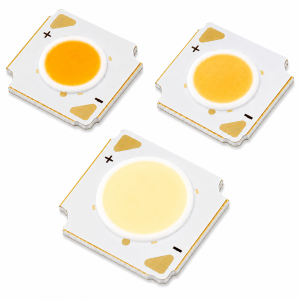
For visible or shallow-profile installations where a smooth emitting surface matters more than seeing individual LED points.
For indoor accents, displays and decorative systems where each connected run can change color together.
For installations that need full-color scenes plus a purpose-built 3000K white channel from one strip.
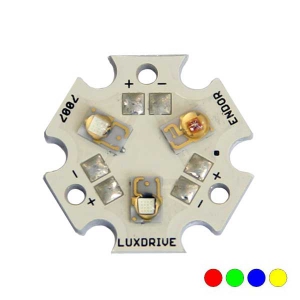
Use specialty products where conventional face-emitting tape cannot follow the layout or the application requires 395–405nm near-UV output.
Density is only one difference between product families. Compare output, color quality, cut interval, voltage, construction and control requirements before choosing a tier.
Standard-density products for dependable accent and general-purpose installations where budget and basic performance lead.
Compare the series →Higher-density white, RGB, RGBW and UVA options for stronger output and more demanding commercial projects.
Compare the series →Ultra-high-density, 95+ CRI and COB products for refined light quality, tighter cutting or continuous illumination.
Compare the series →Bendable and wavelength-specific products solve geometry or spectral requirements outside conventional strip designs.
View bendable construction →The strip is only one component. Confirm voltage, total load, control architecture, wiring, dimensions and mounting across the complete installation before ordering.
Define the light type, CCT or color, output, color rendering, density, width, cut interval and maximum run for every illuminated section.
Match 12V or 24V exactly. Size the supply, dimmer or multi-channel controller for the connected load plus appropriate capacity headroom.
Match PCB width, conductor count, polarity and pin order. Plan every cut, jumper, branch, wire gauge and parallel power feed.
Choose aluminum channel, diffuser, clips or adhesive for the required finish, mechanical protection, light distribution and serviceability.
Use these LEDSupply guides to select the performance level and plan power, mounting and the complete installation.
IP20 indicates basic protection against finger-sized solid objects but no rated water protection. These strips are intended for protected, dry indoor locations and should not be selected where moisture, condensation, splashing or weather exposure is possible.
Often yes, provided the exact location remains dry and protected. Avoid installation near sinks, steam, cleaning spray or other moisture sources unless the selected construction is rated for those conditions. Confirm site conditions and applicable electrical requirements.
Choose based on exposure rather than whether the project is inside. IP20 is appropriate for genuinely dry, protected locations. Use an appropriately rated protected strip where dampness, condensation, splashing, washdown or similar exposure can occur.
Use fixed white for specified everyday illumination, tunable white for adjustable CCT, COB for a continuous dot-free appearance, RGB for color effects, RGBW for color plus a dedicated white channel, and bendable strip for side-to-side curves or 90° turns.
Use the voltage required by the chosen product and match every powered component to it. Twelve-volt products may offer useful short cut intervals or compatibility with an existing platform; 24V is often preferred for larger professional installations and longer feed wiring.
CRI Ra summarizes rendering across a limited set of test colors, while R9 focuses on saturated red. TM-30 provides broader fidelity and gamut information. Use all published data together where color quality is critical, and do not assume unlisted values from a CRI rating alone.
SMD strip uses individually visible LED packages at a specified spacing. COB places many small emitters beneath a continuous emitting surface, producing a smoother line with fewer visible dots. Channel depth, diffuser and viewing distance also influence the finished appearance.
No. Standard RGB uses three color channels, RGBW uses four channels, and tunable white independently controls warm- and cool-white channels. Match the controller's architecture, voltage, capacity, connector pinout and interface to the selected strip.
Yes, but only at the marked cut points, which vary by product. Stay within the published maximum continuous run, use compatible connectors or soldered wiring, and add parallel power feeds where required to control voltage drop.
Use the product's measured power-by-length data where available, add the loads of all connected runs and include the recommended capacity headroom. Also verify controller or dimmer capacity, wire gauge and voltage drop before finalizing the system.




Orders received before 3PM EST will be safely packaged and quickly shipped the same business day. If your order is NOT shipped the same business day, LEDSupply will offer a 5% discount off your next order.
All orders SHIP FROM:
296 Beanville Road
Randolph, Vermont 05060
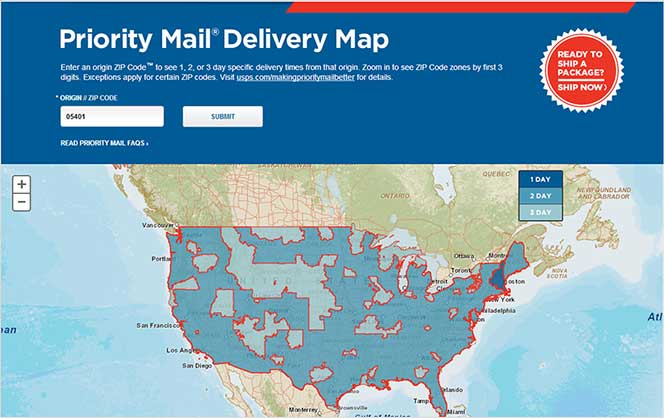
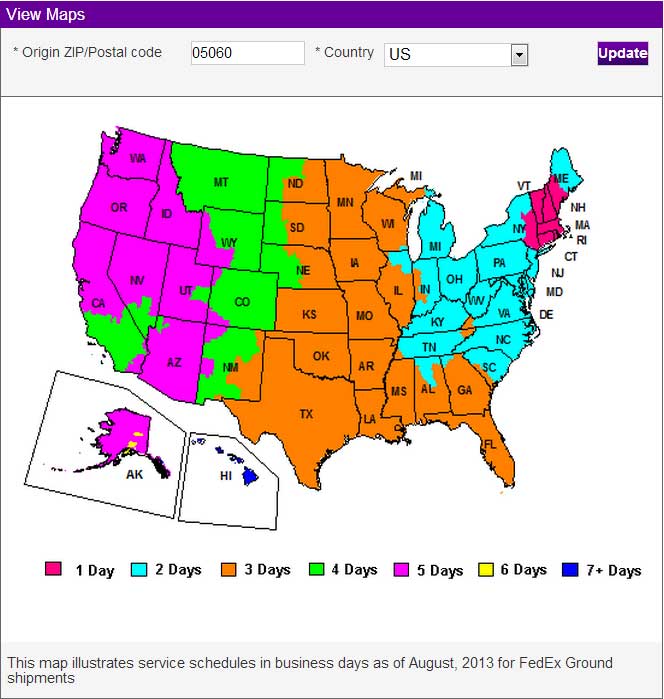
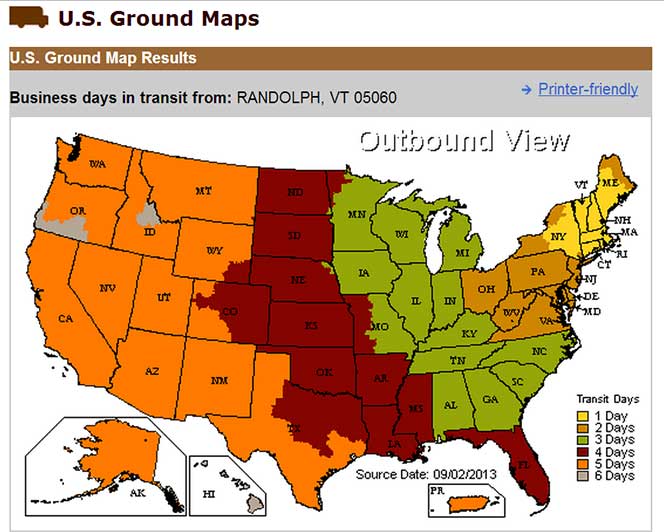
See respective ZONE maps below for SPECIFIC delivery time to your location:
Any order that does not qualify for free shipping, will by default include a discount of equal value to the free shipping offer.
The shipping offered is meant to provide the widest variety of shipping options at the lowest price: